
Award 2021
Welcome to the Social Art Award 2021 – Online Gallery!
We are grateful for the many inspiring contributions from artists around the world. The selected works reflect a broad spectrum of contemporary social art practices and explore new relationships between humans, nature, and technology. They address themes such as ecological regeneration, climate justice, sustainable futures, social resilience, and more-than-human perspectives.
Below you will find the submissions from the Social Art Award 2021 – New Greening edition that passed the initial jury round. The Online Gallery offers public visibility to these works and encourages dialogue around their ideas and approaches; it does not replace the final jury decision.
Thank you to all artists for sharing your visionary and committed work. We invite you to explore the gallery and engage with the perspectives shaping New Greening.
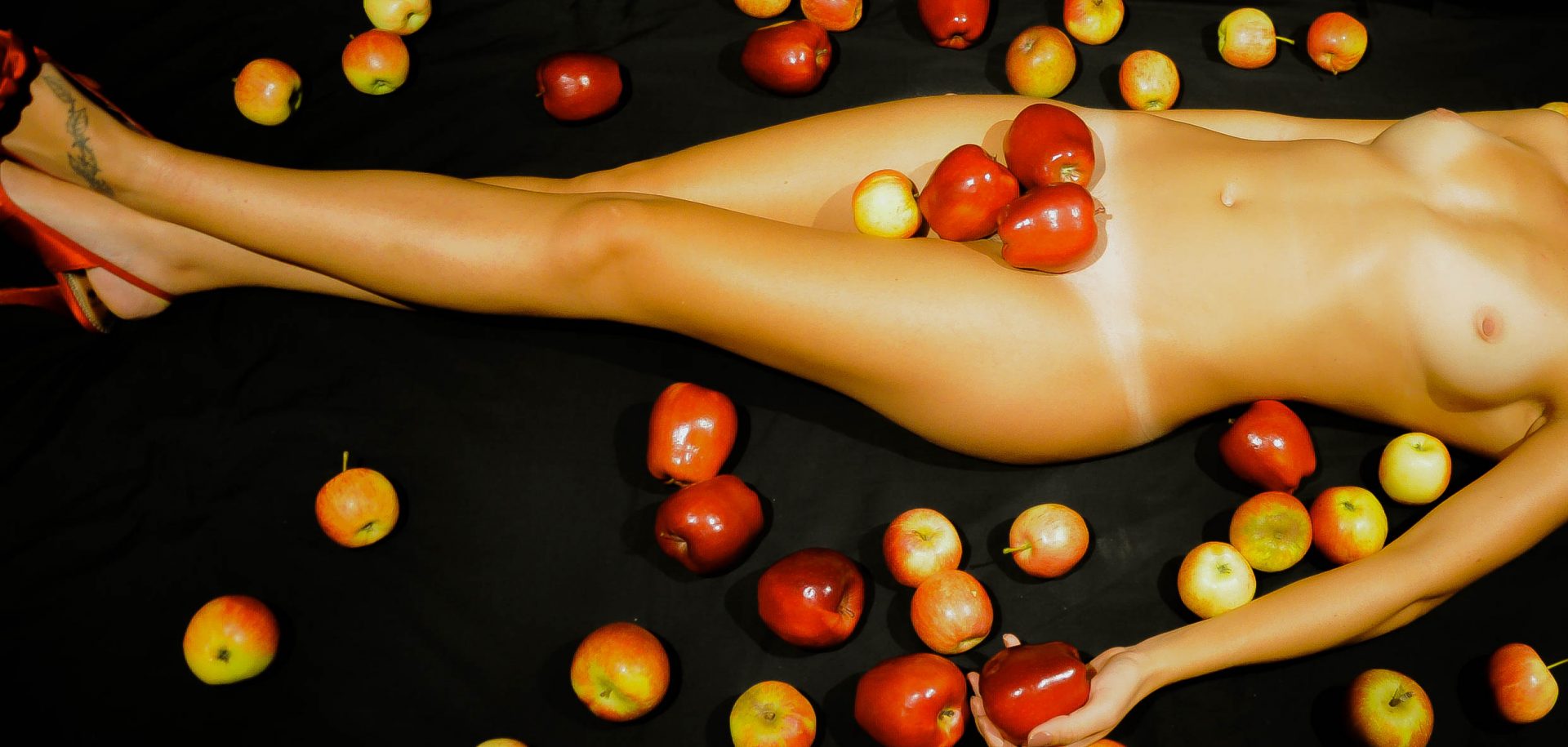


Ascension
Ms maiada Aboud
I am not even a body – I am a voice. The loud voice of the bell I once placed between my legs, many lives ago, during my first performance ever, at Haifa University. The voice of a phallus controlled by the movement of my gentle woman’s limbs. In spite of what tradition dictates, I survive. My vagina is no weaker than a phallus. I am the uncomfortable, disturbing ringing that you cannot hide from or ignore. You can lock a woman in a room, you can place a citizen under arrest, you can trap a body behind bars; but sound is unstoppable, freely carried by the air. No matter how hard life was, or might become, this was the only definition I would ever accept: a voice. Having no words to describe my pain, I had to use my body as a means of rebellion against my society. My Palestinian culture views ‘woman’ as virginal, gentle, trusting, emotional, kind, accepting, accommodating, compassionate, loyal, sensitive, shy, soft, understanding, devoted, dependent, caring, passive, traditional, faithful, committed and stable. In spite of or because of this cultural tendency, I dreamed of becoming something totally different: assertive, athletic, competitive, dominant, forceful, independent, unique, and strong. I wanted to take on no roles but my own; to be the author, activator, director and designer of my own life. I chose performance as my means of challenging the patriarchy through the language of the body, by exploring gender and sexuality embedded in the female body, and the absent female sexual body that my culture has labeled as evil. I wanted and still want to inscribe my body in order to speak, using this art as a stage across which I could express my frustration and anger, and as a platform for my rebellion against the traditional conceptions of the image of ‘woman’ in the Arab world.
I am not even a body – I am a voice. The loud voice of the bell I once placed between my legs, many lives ago, during my first performance ever, at Haifa University. The voice of a phallus controlled by the movement of my gentle woman’s limbs. In spite of what tradition dictates, I survive. My vagina is no weaker than a phallus. I am the uncomfortable, disturbing ringing that you cannot hide from or ignore. You can lock a woman in a room, you can place a citizen under arrest, you can trap a body behind bars; but sound is unstoppable, freely carried by the air. No matter how hard life was, or might become, this was the only definition I would ever accept: a voice. Having no words to describe my pain, I had to use my body as a means of rebellion against my society. My Palestinian culture views ‘woman’ as virginal, gentle, trusting, emotional, kind, accepting, accommodating, compassionate, loyal, sensitive, shy, soft, understanding, devoted, dependent, caring, passive, traditional, faithful, committed and stable. In spite of or because of this cultural tendency, I dreamed of becoming something totally different: assertive, athletic, competitive, dominant, forceful, independent, unique, and strong. I wanted to take on no roles but my own; to be the author, activator, director and designer of my own life. I chose performance as my means of challenging the patriarchy through the language of the body, by exploring gender and sexuality embedded in the female body, and the absent female sexual body that my culture has labeled as evil. I wanted and still want to inscribe my body in order to speak, using this art as a stage across which I could express my frustration and anger, and as a platform for my rebellion against the traditional conceptions of the image of ‘woman’ in the Arab world.